

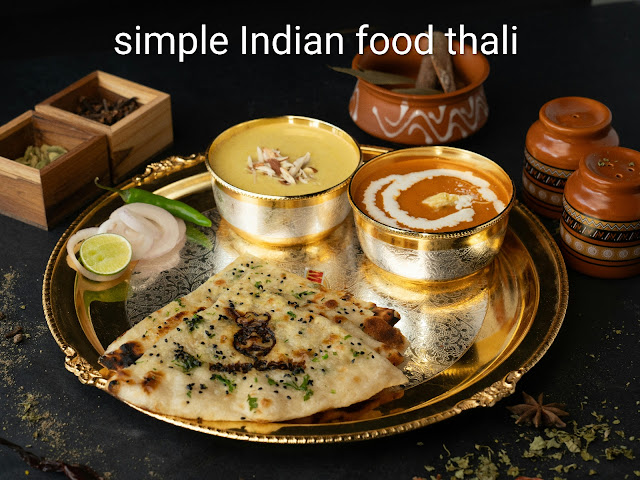
The Comfort of Indian Home Food Explained
 |
| A simple Indian food thali featuring warm dal, creamy curry, soft roti, and traditional spices—pure comfort food served the home-style way. |
There is a particular kind of comfort that comes from Indian home food, and it is difficult to describe unless you have felt it yourself. It is not dramatic comfort. It does not announce itself loudly. It settles quietly, often without being noticed in the moment, and reveals its value later — when the body feels steady, the mind feels calm, and the day feels manageable.
Indian home food comforts not because it is indulgent, but because it is familiar in the deepest sense of the word.
Across regions, languages, and generations, Indian home cooking has always been shaped by everyday life. It was never designed to impress strangers or compete for attention. It was designed to feed families, support long working days, and keep the body balanced through changing seasons. That intention still lives in the food, even when the kitchen moves continents away.
One of the strongest sources of comfort in Indian home food is its predictability. Meals follow rhythms. Certain foods appear at certain times of day. Light, grounding dishes in the morning. Steady, sustaining food at midday. Gentle, easy meals in the evening. This rhythm trains the body to expect nourishment rather than excitement, and over time, that expectation becomes soothing.
Comfort, in this sense, comes from trust. You trust that the food will not overwhelm you. You trust that it will sit well. You trust that it will allow you to continue your day without resistance.
Modern twist on Traditional street food: fusion flavours for the New generation
Indian home food rarely tries to surprise. It does not rely on sharp contrasts or extreme flavors. Instead, it builds depth slowly, layering taste in a way that feels rounded rather than aggressive. Spices are present, but they are not shouting. Heat is controlled. Richness is restrained.
This balance creates a sense of ease. The food does not demand attention while eating it, and it does not demand recovery afterward.
 |
| An everyday Indian home-cooked meal with flaky paratha, steamed rice, sabji, and curry—classic comfort food enjoyed across Indian households. |
Another reason Indian home food feels comforting is that it is deeply repetitive — and repetition, when done right, is calming. The same lentils reappear week after week. The same vegetables return in slightly different forms. Rice, roti, and simple accompaniments form a stable foundation. This repetition is not boring; it is grounding.
In a world that constantly asks for novelty, Indian home food offers familiarity. Familiarity reduces decision fatigue. You do not have to think too much about what you are eating. The body recognizes the food before the mind does.
That recognition is powerful.
Indian home cooking also carries memory in a way few cuisines do. The smell of tempering spices in oil. The sound of lentils simmering. The sight of steam rising from a simple meal. These sensory details are tied to moments of care — someone cooking not for praise, but because food needed to be on the table.
Even for those who did not grow up in Indian households, this care translates. Indian home food feels intentional. It feels made for eating, not displaying. That intention is sensed instinctively.
Street food safety tips in India: how to enjoy delicious street eats without risk
Comfort also comes from how Indian home food treats digestion with respect. Meals are not built to push limits. They are designed to support the body quietly. Spices that aid digestion are used gently. Ingredients are cooked thoroughly. Rawness is rare. This creates food that feels complete and finished, not harsh or demanding.
Many people only realize this difference after eating restaurant-style food too often. Restaurant food, even when delicious, often feels heavy or restless afterward. Indian home food rarely does. It leaves space.
This sense of space is another source of comfort. You eat, and then you move on. The meal becomes part of your day, not the center of it.
 |
| A comforting plate of rice served with rich Indian curry—slow-cooked flavors that define the soul of Indian home food. |
Indian home food is also deeply adaptable, and that adaptability adds to its comfort. Recipes change subtly depending on weather, mood, health, and availability. Less spice on tired days. Lighter meals in heat. Simpler food when the body feels off. There is no strict adherence to rules, only responsiveness.
This responsiveness makes the food feel alive. It adjusts to you rather than asking you to adjust to it.
In many cultures, comfort food is associated with indulgence — rich, heavy dishes meant to soothe emotionally but often taxing physically. Indian home food takes a different approach. Its comfort lies in balance, not excess. It soothes by stabilizing, not by overwhelming.
 |
| A comforting Indian thali with freshly cooked dal, vegetables, chutneys, and accompaniments—showcasing the warmth of everyday Indian home food. |
That is why Indian home food often feels better the day after it is cooked. Flavors settle. Textures soften. The food becomes gentler, not duller. This slow settling mirrors the emotional comfort it provides — steady, not sudden.
For Indians living abroad, this comfort becomes even more pronounced. Restaurant food may satisfy cravings, but home-style food restores equilibrium. It reconnects people to a sense of normalcy that goes beyond taste. It feels like returning to something reliable in an unfamiliar environment.
Why Indian food is perfect for home cooking
For non-Indians discovering Indian home cooking for the first time, the comfort can be surprising. Many expect boldness and intensity. What they find instead is warmth, depth, and calm. The food does not try to impress them. It welcomes them quietly.
Indian home food also creates comfort because it fits into real life. It works for busy days. It reheats well. It feeds more than one person without complication. It does not demand elaborate presentation or constant attention. This practicality is comforting in itself.
The comfort of Indian home food is not accidental. It is the result of centuries of cooking shaped by daily living rather than performance. It carries an understanding of the human body, not through theory, but through observation passed down quietly over time.
In a fast, overstimulated world, this kind of food feels grounding. It reminds us that eating does not always need to be an event. Sometimes, the most comforting meals are the ones that allow life to continue smoothly.
Indian home food comforts because it knows its place. It does not compete. It supports.
 |
| A wholesome Indian home meal of vegetable rice, spiced curry, cooling raita, and fresh ingredients—simple, nourishing, and comforting. |
And that is why, no matter where you are in the world, a simple Indian home-cooked meal can make everything feel just a little more settled.