
Why Indian Food Is Perfect for Home Cooking
 |
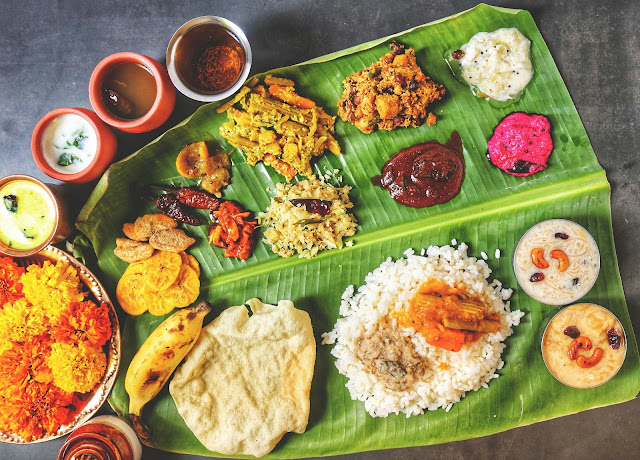
| A traditional South Indian banana leaf meal served with rice, curries, chutneys, papad, dessert, and side dishes. |
| Indian food is often misunderstood outside India. It is seen as something best ordered from restaurants, something complex that belongs to professional kitchens, or something that requires deep cultural knowledge to execute properly. Yet the reality is almost the opposite. Indian food is, at its heart, one of the most home-friendly cuisines in the world. |
It was never created for luxury dining or occasional indulgence. It was shaped by daily life, limited resources, and the need to cook nourishing meals consistently. That is exactly why Indian food works so well in home kitchens today, across countries, cultures, and lifestyles.
How to make chicken curry at home
Indian Food Was Designed for Everyday Life
Indian cuisine did not evolve around restaurants. For most of its history, food was cooked at home, often multiple times a day, by people who had other responsibilities to manage. Meals needed to be reliable, adaptable, and efficient.
 |
| Traditional Indian spices arranged on a plate, showcasing the essential ingredients used in authentic Indian cooking. |
Have you ever tried Best chicken Korma
This everyday origin shows in the way Indian food behaves in the kitchen. Dishes are flexible rather than rigid. Ingredients can be swapped without ruining the meal. Cooking times adjust naturally. Recipes change slightly from household to household without losing their identity.
That flexibility makes Indian food ideal for home cooking. You do not need perfection. You need awareness and patience.
Simple Techniques Create Deep Flavor
One of the biggest myths about Indian food is that it depends on long ingredient lists. In reality, flavor comes from technique, not excess.
The gradual cooking of onions, the gentle blooming of spices in oil, and the slow simmering of lentils are simple actions that create depth over time. These techniques are easy to learn and forgiving to practice. Even small mistakes rarely ruin a dish.
This is why Indian food is so satisfying to cook at home. The process itself builds confidence. Each meal teaches you something, and improvement happens naturally without stress.
Indian Food Adapts Easily to Home Kitchens
Indian cooking does not require specialized equipment. A basic stovetop, a few pans, and a blender are more than enough to cook excellent meals. Traditional tools enhance the experience, but they are not essential.
This adaptability is crucial for modern home cooks. Whether you are cooking in a small apartment kitchen or a fully equipped suburban home, Indian food fits the space. It works on gas, electric, and induction stoves. It adjusts to nonstick, stainless steel, and cast iron cookware.
Indian food respects the kitchen it is cooked in rather than demanding changes.
Ingredients Are Accessible and Affordable
Another reason Indian food thrives in home kitchens is its reliance on everyday ingredients. Vegetables, lentils, rice, flour, dairy, and simple spices form the foundation of most meals. These items are widely available in supermarkets across the US, UK, Canada, Europe, and beyond.
Even spices, once considered niche, are now common pantry items. And unlike fragile herbs, spices store well and last long, making them practical for home use.
Indian food allows home cooks to build a pantry slowly. There is no pressure to buy everything at once. Each new ingredient adds possibilities rather than complications.
Indian Food Is Naturally Balanced
Home cooking works best when food supports daily energy rather than exhausting it. Indian cuisine excels here.
Meals are built around balance — carbohydrates for energy, protein for stability, fats for satisfaction, and spices for digestion. Portions are designed to fill you without slowing you down. This balance is not calculated; it is intuitive, refined over generations.
Because of this, Indian food suits regular eating. It does not feel heavy when cooked simply. It does not require recovery time. It becomes part of daily rhythm rather than an interruption.
Repetition Makes Cooking Easier, Not Boring
Indian home food embraces repetition. The same lentils, vegetables, and grains appear frequently, prepared in slightly different ways. This repetition reduces effort and decision fatigue, which are major barriers to home cooking.
When you know how to cook a few base dishes well, meals become easier to plan and faster to execute. Indian food encourages this familiarity. It allows you to rely on what you know while still offering variation through small changes.
This is why many people who cook Indian food regularly find it sustainable long-term.
Leftovers Are a Strength, Not a Compromise
Indian food is particularly well-suited to home cooking because it handles leftovers gracefully. Flavors often deepen overnight. Textures soften in a pleasant way. Reheated meals remain satisfying.
This makes Indian food ideal for busy households, working professionals, and anyone who cooks in batches. Home cooking becomes efficient rather than repetitive.
The food works with your schedule instead of fighting it.
Indian Food Respects the Cook
Perhaps the most overlooked reason Indian food is perfect for home cooking is that it respects the person cooking it. It does not demand constant attention or exact precision. It allows room for intuition. It forgives small deviations.
Indian cooking assumes that the cook is human — sometimes tired, sometimes distracted, sometimes improvising. That assumption makes the process feel supportive rather than stressful.
When cooking feels supportive, it becomes a habit rather than a chore.
A Cuisine That Grows With You
Indian food meets home cooks where they are. Beginners can start simple and still eat well. As confidence grows, complexity can be added naturally. There is no sharp divide between beginner and advanced cooking.
This gradual learning curve is ideal for home kitchens. It allows people to grow without pressure, building a relationship with food rather than chasing mastery.
Why Indian Food Truly Belongs at Home

Indian food does not belong exclusively to restaurants, celebrations, or special occasions. It belongs where it was always meant to be — in everyday kitchens, cooked at a human pace, eaten without ceremony, and trusted to nourish.
That is why Indian food works so well at home. It was never trying to be anything else.
In a world where cooking often feels complicated and performative, Indian home cooking offers something rare: food that fits into life instead of competing with it.
And that is what makes it perfect.