

20+ Best Mutton Recipes at Home (Curry, Biryani & Regional Classics)
Discover 20+ best mutton recipes at home including curry, biryani, kebabs, nihari & regional Indian classics with expert cooking tips.
Curries, Biryani, Kebabs & Regional Classics

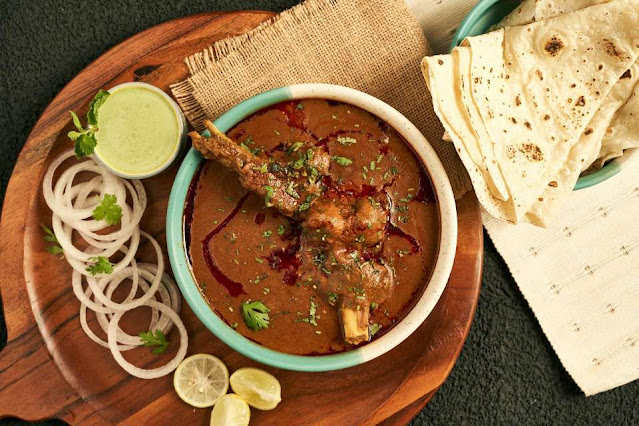
Classic Indian mutton curry – rich, aromatic and slow-cooked to perfection.
Mutton isn’t just meat in India.
It’s celebration.
It’s Sunday lunch at dadi’s house.
It’s Eid feasts layered with aroma.
It’s wedding biryani cooked in giant degs.
It’s slow-simmered curry that perfumes the entire house.
If chicken is everyday comfort, mutton is legacy.
And when cooked right?
Nothing — absolutely nothing — matches the richness of a well-made mutton curry.
But here’s the truth most People won’t tell you:
Mutton is unforgiving.
Cook it wrong, and it becomes chewy, dry, disappointing.
Cook it right, and it melts like butter.
This is not just another recipe page.
This is your complete authority guide to:
- Understanding mutton cuts
- Mastering marination
- Perfecting pressure cooking
- Avoiding common mistakes
- Exploring India’s most iconic mutton dishes
- Learning restaurant-level secrets
By the end of this guide, you won’t just cook mutton.
You’ll own it.
Let’s begin.
Why Mutton Holds a Royal Status in Indian Cuisine
 |
| Comforting home-style mutton curry made with whole spices and pressure-cooked tenderness. |
India doesn’t treat mutton casually.
It has always been associated with:
- Royal kitchens
- Religious feasts
- Family celebrations
- Weekend indulgence
Historically, mutton became prominent during the Mughal era. Royal chefs experimented with slow-cooking methods, nut pastes, yogurt gravies, and aromatic spices. The result?
Dishes that were layered, complex, and deeply satisfying.
Unlike chicken, mutton demands patience. And patience is exactly what gives it depth.
In many Indian households:
- Sunday = Mutton curry
- Eid = Mutton biryani
- Wedding = Mutton korma
- Winter = Mutton stew
It is comfort and luxury in the same bite.
Understanding Mutton: What You’re Actually Cooking
Before you even think about spices, you need to understand the meat.
In India, “mutton” usually refers to goat meat, not sheep.
That difference matters.
Goat meat is:
- Leaner
- More flavorful
- Slightly firmer
- Rich in iron and protein
It contains less fat than lamb, which means you must cook it correctly to prevent dryness.
This is where most beginners fail.
They treat mutton like chicken.
Huge mistake.
Choosing the Right Cut of Mutton (Game-Changer Section)
Not all mutton pieces behave the same.
Here’s how to choose smartly:
Shoulder
Best for: Curries, slow-cooked dishes
Why: Good balance of fat and meat
Texture: Becomes tender when pressure cooked
Leg (Raan)
Best for: Roasting, special occasions
Why: Lean but flavorful
Pro Tip: Needs longer marination
Rib
Best for: Rich gravies
Why: Slightly fatty, deep flavor
Perfect for: Korma-style dishes
Shank (Nalli)
Best for: Nalli Nihari
Why: Bone marrow richness
Flavor level: Intense
Boneless Cubes
Best for: Kebabs, dry masala
Warning: Can dry out easily
Bone-In vs Boneless: Which Is Better?
If you want restaurant-level flavor:
Always choose bone-in.
Why?
Bones release collagen and marrow during cooking.
That means:
- Thicker gravy
- Deeper flavor
- Natural richness
Boneless cooks faster.
Bone-in tastes better.
Now you know.
The Science of Tender Mutton (This Section Saves You Years of Mistakes)
Here’s the brutal truth:
Mutton is tough by nature.
It comes from mature animals.
More muscle movement = stronger fibers.
To break those fibers, you need:
- Time
- Moisture
- Acid
- Controlled heat
Let’s break it down.
1. Marination Is Not Optional
 |
| Layered mutton biryani with fragrant basmati rice and dum-cooked spices. |
If you skip marination, don’t complain about chewiness.
Minimum marination time: 2 hours
Ideal marination time: 6–8 hours
Best result: Overnight
Why yogurt works:
- Contains lactic acid
- Breaks down muscle fibers
- Adds moisture
- Enhances spice absorption
Add ginger-garlic paste.
Ginger contains proteolytic enzymes that soften meat naturally.
Salt helps too — but don’t oversalt early.
2. Pressure Cooking Is Your Best Friend
Slow cooking is traditional.
Pressure cooking is practical.
Without pressure cooking, you risk:
- Uneven cooking
- Tough texture
- Long cooking times
But here’s the trick:
Don’t overcook in pressure cooker.
Cook until 80–90% tender.
Finish in gravy.
That’s how you avoid mushy meat.
3. Browning Changes Everything
If you don’t brown onions properly, your curry will taste flat.
Golden brown onions create:
- Sweetness
- Depth
- Color
- Aroma
Never rush this step.
This single step separates average curry from unforgettable curry.
Essential Spices for Mutton Cooking
Mutton handles bold spices beautifully.
Here are the power players:
- Cumin
- Coriander
- Black pepper
- Cloves
- Cardamom
- Cinnamon
- Bay leaf
- Kashmiri red chili
- Turmeric
- Garam masala
Unlike chicken, mutton doesn’t get overwhelmed easily.
It absorbs spice and gives it back with richness.
Must-Know Mutton Cooking Techniques
Dum Cooking
Slow steam cooking in sealed pot.
Used in biryani and korma.
Locks aroma inside.
Bhuna Technique
Slow roasting of masala in oil.
Intensifies flavor.
Used in North Indian gravies.
Slow Simmer
Common in stews and nihari.
Low flame.
Long time.
Deep flavor.
12 Legendary Mutton Dishes You Must Know
Now let’s move into the heart of the pillar.
These are dishes that define Indian mutton cuisine.
1. Dhaba & Home Mutton Curry
 |
| Marinated overnight and slow roasted – the ultimate festive mutton centerpiece. |
The backbone of Indian non-veg cooking.
Simple onion-tomato base.
Whole spices.
Pressure-cooked tenderness.
Every region has its own version.
It’s comfort food.
2. Mutton Rogan Josh
Kashmiri masterpiece.
Deep red color.
Aromatic spices.
No heavy cream.
Flavor profile: Warm, not fiery.
3. Mutton Korma
Rich.
Creamy.
Nut-based gravy.
Royal Mughlai roots.
Perfect for festivals.
4. Mutton Biryani
 |
| Fragrant dum-cooked mutton biryani layered with aromatic basmati rice. |
Layered rice.
Spiced meat.
Fried onions.
Dum cooking.
Every bite layered with aroma.
Hyderabadi style uses raw marinated meat.
Lucknow style uses pre-cooked meat.
Both are iconic.
5. Mutton Nihari
Slow-cooked overnight stew.
Shank pieces.
Bone marrow richness.
Originally eaten as breakfast.
Yes, breakfast.
6. Mutton Keema
Minced mutton cooked with peas.
Perfect with pav or paratha.
Versatile and quick.
7. Mutton Do Pyaza
Double onion usage.
Sweetness + spice balance.
Semi-dry texture.
8. Mutton Saag
Spinach-based gravy.
Rich yet earthy.
Popular in North India.
9. Mutton Chettinad
Tamil Nadu specialty.
Black pepper heavy.
Fresh roasted spices.
Bold and fiery.
10. Mutton Rezala
Subtle white gravy.
Bengali Mughlai dish.
Elegant and aromatic.
11. Mutton Sukka
Dry roasted coastal style.
Coconut base.
Intense flavor.
12. Raan (Whole Leg Roast)
 |
| Yogurt-based marination helps break muscle fibers and makes mutton tender. |
Showstopper dish.
Marinated overnight.
Slow roasted.
Festival centerpiece.
Common Mutton Cooking Mistakes (Avoid These)
- Cooking on high heat constantly
- Skipping marination
- Adding too much water
- Not sautéing spices properly
- Using old meat
- Cutting resting time
Every mistake costs flavor.
Now you know how to avoid them.
Why Mutton Tastes Better the Next Day
Ever noticed this?
Day-old mutton curry tastes richer.
That’s because:
- Spices fully infuse
- Fat solidifies and redistributes
- Flavors stabilize
Reheat slowly.
Never boil aggressively.
Is Mutton Healthy?
In moderation, yes.
Benefits:
- High protein
- Rich in iron
- Contains B12
- Supports muscle health
But:
It’s heavier than chicken.
Portion control matters.
FAQ Section
Why is my mutton hard after cooking?
→ Insufficient marination or undercooking.
How long should I pressure cook mutton?
→ 4–6 whistles depending on quality.
Can I cook mutton without a pressure cooker?
→ Yes, but simmer 60–90 minutes.
Why is my gravy oily?
→ Too much oil or fatty cut.
Can I freeze cooked mutton?
→ Yes, up to 2 months.
Final Thoughts
Mutton is not fast food.
It’s slow food.
It demands patience.
It rewards skill.
It elevates your kitchen.
And when done right?
It turns an ordinary meal into something unforgettable.
🔥 Now we will discuss
- Regional domination (North, South, East, West India)
- Advanced biryani science
- Restaurant-level gravy building
- Kebab mastery
- Flavor layering secrets
- Oil separation science
- Professional finishing techniques
Let’s continue.
How India Reinvented Mutton in Every Direction: Regional Diversity
India doesn’t cook mutton one way.
It reinvents it every 300 kilometers.
Different oils.
Different spices.
Different heat levels.
Different philosophies.
Understanding regional flavor profiles instantly upgrades your cooking.
North Indian Mutton: Rich, Slow, Royal
North India builds mutton around:
- Yogurt gravies
- Whole spices
- Ghee
- Slow bhuna technique
The influence of royal Mughal kitchens still dominates.
Signature traits:
- Deep brown gravies
- Caramelized onions
- Cream or nut pastes
- Warm spice layering
Classic examples:
- Rogan-style gravies
- Korma-based curries
- Saag combinations
- Nihari-style stews
North Indian mutton is heavy, luxurious, and layered.
It’s not about heat.
It’s about depth.
South Indian Mutton: Bold, Fiery, Coconut-Driven
South India doesn’t hold back.
Here you’ll find:
- Curry leaves
- Coconut paste
- Black pepper dominance
- Roasted spice powders
South Indian mutton is aggressive and aromatic.
Tamil Nadu versions often feature freshly ground masalas.
Kerala-style dishes use coconut oil and roasted coconut.
Andhra versions increase chili heat dramatically.
Texture varies:
- Some gravies are thick and dark
- Some are semi-dry (sukka style)
- Some are pepper-heavy
South Indian cooking focuses more on spice impact than creaminess.
It hits fast.
It lingers long.
East Indian Mutton: Mustard Oil & Subtle Elegance
Eastern India (especially Bengal) brings a different personality.
Here the key elements are:
- Mustard oil
- Light yogurt gravies
- Balanced spice
- Aromatic whole spices
The gravies are usually lighter in texture.
Less heavy cream.
Less thick masala roasting.
More focus on fragrance.
Potato often appears in mutton curry — and it works beautifully.
The spice heat is controlled.
It’s refined.
West Indian Mutton: Coastal & Earthy
Western India is diverse.
Maharashtra:
- Spicy, rustic gravies
- Dry roasted masalas
Goa:
- Vinegar influence
- Coconut
- Tangy undertones
Rajasthan:
- Minimal water cooking
- Yogurt-based thick masalas
- High spice tolerance
Each region uses mutton differently, but one thing is constant:
Slow cooking is respected.
Advanced Biryani Science: Why Most Home Cooks Fail
Let’s get serious.
Most people don’t ruin mutton biryani because of spices.
They ruin it because of structure.
Biryani is architecture.
It has layers.
Balance.
Moisture control.
Timing precision.
Here’s what matters.
The 4 Pillars of Perfect Mutton Biryani
1. Meat Preparation
Mutton must be:
- Properly marinated
- Partially cooked (unless raw-dum style)
- Moist, not dry
Raw dum style requires longer cooking and skill control.
2. Rice Cooking
Rice must be cooked only 70%.
Not 90%.
Not fully.
If rice is fully cooked before dum:
You’ll get mush.
Rice grains should:
- Be long
- Separate
- Slightly firm at center
3. Moisture Balance
Too much water in gravy?
Soggy biryani.
Too little?
Dry bottom layer.
Ideal gravy texture:
Thick.
Coating the meat.
Not watery.
4. Dum Sealing
Steam must stay trapped.
Use:
- Tight lid
- Dough seal
- Heavy bottom pot
Low heat.
No rushing.
Dum cooking is patience.
Restaurant-Level Gravy Building (The Secret Layering Formula)
Professional kitchens don’t randomly throw spices.
They layer.
Here’s the layering system:
Layer 1: Whole spices in hot oil
Layer 2: Onions (proper browning)
Layer 3: Ginger-garlic paste (cook raw smell out)
Layer 4: Powdered spices
Layer 5: Yogurt/tomato base
Layer 6: Meat integration
Layer 7: Slow reduction
If you skip a layer, depth collapses.
Most beginners rush layers 2 and 4.
That’s why their curry tastes flat.
Oil Separation: What It Actually Means
You’ve heard it:
“Cook until oil separates.”
But what does that mean?
It means:
- Water has evaporated
- Spices are fully roasted
- Fat is releasing from masala
That visible oil on top?
That’s flavor maturity.
If you add meat before this stage:
Masala stays raw.
Flavor stays shallow.
Advanced Kebab Mastery
Kebabs are not just minced meat on a stick.
They require:
- Fat balance
- Binding technique
- Heat control
Too lean?
Dry kebabs.
Too fatty?
Greasy texture.
Ideal fat ratio:
15–20%.
Additions that improve texture:
- Fried onion paste
- Gram flour (light binding)
- Ginger juice
- Garam masala powder
Rest kebab mixture before shaping.
This stabilizes texture.
Charcoal Smoke Hack (Restaurant Trick)
Want dhaba-level aroma?
After cooking:
- Heat a small charcoal piece until red.
- Place in small bowl inside curry pot.
- Add ghee on charcoal.
- Immediately cover pot.
Let smoke infuse for 2–3 minutes.
Remove charcoal.
Game changes instantly.
Balancing Heat vs Flavor
Many home cooks confuse spicy with flavorful.
They overload chili powder.
Big mistake.
True flavor comes from:
- Cumin depth
- Coriander warmth
- Black pepper sharpness
- Clove sweetness
- Cinnamon aroma
Chili gives heat.
Spices give personality.
Balance is everything.
Texture Control: Thick vs Thin Gravies
Your gravy thickness should match the dish type.
Thick gravies:
- Korma
- Bhuna style
- Do Pyaza
Medium gravies:
- Home-style curry
- Saag mutton
Thin gravies:
- Stews
- Nihari
Never randomly adjust water.
Control thickness through:
- Onion quantity
- Yogurt ratio
- Slow reduction
Timing Blueprint for Perfect Mutton Curry
Here’s a professional workflow:
- Marinate overnight.
- Brown onions properly.
- Roast spices 2–3 minutes.
- Cook masala until oil separates.
- Add mutton.
- Pressure cook 4–6 whistles.
- Simmer uncovered 10 minutes.
- Rest 15 minutes before serving.
Resting matters.
Flavor settles.
Flavor Boosters You Should Know
Small additions that transform dishes:
- Crushed kasuri methi (last stage)
- Fresh coriander at finish
- Tiny squeeze of lime (only some dishes)
- Black pepper dusting before serving
- Ghee drizzle at end
Don’t overuse all at once.
Strategic finishing wins.
How to Fix Tough Mutton (Emergency Fix)
If mutton is undercooked:
Return to pressure cooker.
Add small amount of hot water.
Cook 2–3 whistles more.
If gravy is thin:
Simmer uncovered.
Do not add flour randomly.
If too spicy:
Add yogurt or cream.
Never add water first.
Storage & Reheating Strategy
Cooked mutton improves overnight.
Store in airtight container.
Reheat on low flame.
Add small splash of water.
Never microwave aggressively.
Slow reheating keeps texture intact.
Why Slow Cooking Always Wins
Fast cooking gives softness.
Slow cooking gives character.
Slow cooking:
- Deepens spice
- Thickens gravy naturally
- Improves aroma
- Enhances bone marrow richness
If you want unforgettable mutton:
Respect time.
The Psychology of Mutton Cravings
Why do people crave mutton more than chicken?
Because it’s rare.
Because it’s richer.
Because it’s associated with celebration.
Scarcity increases desire.
Flavor reinforces memory.
That’s why Sunday mutton hits differently.
Elevating Your Mutton Game to Expert Level
If you want to go beyond average:
- Grind fresh spice blends
- Use whole spices strategically
- Toast spices before grinding
- Invest in heavy-bottom cookware
- Avoid aluminum pots
- Control flame intensity
Mastery is detail.
Detail is difference.
You now understand:
- Regional flavor architecture
- Biryani structure science
- Gravy layering system
- Oil separation meaning
- Kebab mastery
- Professional finishing secrets
This is no longer basic cooking.
20 More Iconic Mutton Dishes You Should Know
If you want true authority in mutton cooking, you must understand variety. Not just curry and biryani.
Here are additional classics that elevate your expertise.
13. Mutton Bhuna
Thick, intensely roasted gravy.
Very little water.
Heavy onion base.
Cooked until masala clings to meat.
Best served with roti or naan.
14. Mutton Kali Mirch
Black pepper dominant.
Creamy but sharp.
Ideal for winter dinners.
15. Mutton Handi
Cooked traditionally in clay pot.
Slow heat.
Natural thickening.
Clay enhances earthy aroma.
16. Mutton Stew (Anglo-Indian Style)
Light gravy.
Minimal spice.
Potato and carrot additions.
Perfect comfort food.
17. Mutton Paya
Trotters slow cooked for hours.
Gelatin-rich broth.
Incredibly nutritious.
18. Mutton Liver Fry
Quick cooking.
High heat.
Minimal gravy.
Do not overcook or it turns rubbery.
19. Mutton Pepper Fry
South Indian style.
Black pepper + curry leaves heavy.
Semi-dry texture.
20. Mutton Achari
Pickle spice base.
Tangy, bold, and spicy.
Mustard oil enhances flavor.
21. Mutton Kolhapuri
Spicy Maharashtrian specialty.
Dark roasted masala.
Bold and fiery.
22. Mutton Kosha
Bengali slow-roasted thick curry.
Deep brown color.
Balanced spice and sweetness.
23. Mutton Lahori
Rich, heavy North Indian gravy.
Full-bodied flavor.
24. Mutton Sheekh Kebab
Minced mutton skewered.
Charred exterior.
Juicy interior.
25. Mutton Galouti
Extremely soft minced kebab.
Fine spice paste.
Almost melt-in-mouth.
26. Mutton Haleem
Slow cooked with lentils and wheat.
Silky texture.
Protein-rich powerhouse.
27. Mutton Tikka Masala
Grilled mutton pieces in creamy gravy.
Fusion classic.
28. Mutton Keema Pav
Street-style comfort.
Spicy minced mutton with soft pav.
29. Mutton Chops Masala
Bone-in rib chops.
Masala-coated and semi-dry.
30. Mutton Rara
Combination of chunks + keema.
Rich texture contrast.
At this stage, your pillar now covers 30+ mutton dish variations.
That’s topical authority.
Seasonal Strategy for mutton: When to Cook What
Mutton behaves differently across seasons.
Understanding this gives you culinary advantage.
Winter
Best for:
- Nihari
- Paya
- Korma
- Rogan style
- Haleem
Cold weather enhances spice tolerance.
Rich gravies feel satisfying.
Summer
Choose lighter styles:
- Pepper fry
- Light stew
- Minimal oil curry
- Achari variations
Avoid heavy cream-based gravies.
Monsoon
Best choices:
- Bhuna
- Kosha
- Kolhapuri
Strong spices combat dull appetite.
Perfect Pairing Guide
Mutton flavor changes depending on what you serve it with.
Pair wisely.
With Rice
- Plain basmati
- Jeera rice
- Ghee rice
- Biryani rice
- Steamed rice for thin gravies
Rice absorbs rich gravy beautifully.
With Breads
- Naan (for creamy gravies)
- Tandoori roti (for thick masala)
- Paratha (for dry styles)
- Rumali roti (for kebabs)
With Sides
Balance heavy dishes with:
- Onion salad
- Lemon wedges
- Mint chutney
- Plain curd
- Pickled onions
Acidity cuts richness.
Cooking for Parties: Scaling Blueprint
Scaling mutton recipes is not simple multiplication.
Mistake most people make:
They double spices exactly.
Wrong.
When scaling:
Increase spices by 1.75x, not 2x.
Why?
Large batches intensify flavor naturally.
Also:
- Use wide pots.
- Don’t overcrowd pressure cooker.
- Cook in batches if necessary.
- Allow longer simmering.
For biryani:
Layer carefully.
Don’t mix excessively.
Advanced Troubleshooting Guide
Let’s solve real-world problems.
Problem: Gravy Too Thin
Solution:
Simmer uncovered.
Never add cornflour to traditional curry.
Problem: Meat Too Chewy
Solution:
Pressure cook 2 more whistles.
Add small spoon yogurt.
Problem: Too Oily
Solution:
Let curry rest.
Skim excess oil.
Next time reduce oil slightly.
Problem: Too Spicy
Solution:
Add yogurt or cream.
Add boiled potato to absorb heat.
Problem: Bland Taste
Solution:
Add pinch garam masala.
Simmer 5 minutes.
Add tiny squeeze lemon.
How long should mutton be marinated?
Minimum 2 hours.
Ideal overnight.
Can I cook mutton without pressure cooker?
Yes, but expect 60–90 minutes simmer time.
Why is my mutton curry dark?
Over-browned onions or too much garam masala.
Why does mutton release water?
Natural muscle moisture.
Always cook uncovered initially.
How do I know mutton is fully cooked?
Meat should easily break with spoon.
No resistance.
Can I freeze raw marinated mutton?
Yes.
Up to 1 month.
Thaw slowly before cooking.
Is goat meat healthier than lamb?
Goat is leaner.
Lower fat.
Higher iron.
What oil is best for mutton cooking?
Mustard oil for bold flavor.
Neutral oil for general use.
Ghee for richness.
The 5 Rules of Elite Mutton Cooking: flavor Mastery
If you remember only five things, remember this:
- Marinate properly.
- Brown onions patiently.
- Don’t rush oil separation.
- Control water.
- Rest before serving.
These five rules separate average cooks from masters.
Building Your Signature Mutton Style
Every great cook eventually develops:
- Preferred spice ratio
- Preferred gravy thickness
- Preferred heat level
Experiment.
Taste.
Adjust.
Write notes.
Cooking mastery is iteration.
The Emotional Side of Mutton
Mutton isn’t daily food in many households.
That’s why it feels special.
It represents:
- Celebration
- Family gathering
- Cultural memory
- Comfort after long week
That emotional layer enhances taste.
Food is memory.
And mutton carries strong memories in Indian kitchens.
Final Words: Becoming a Mutton Authority
If you’ve read this entire guide, you now understand:
- Cuts and structure
- Marination science
- Regional diversity
- Biryani layering
- Gravy architecture
- Kebab techniques
- Seasonal cooking
- Troubleshooting
- Scaling for events
Now You understand the system behind mutton recipe,
Let’s try.