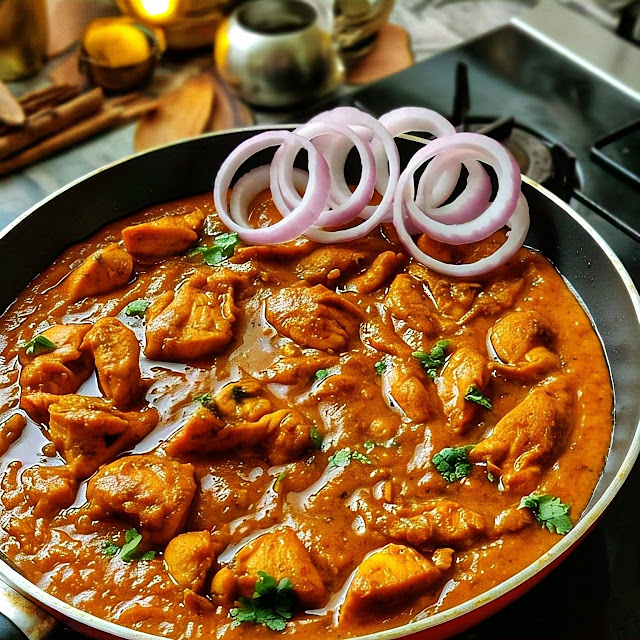
Vegetable & Mutton Mix Dum Biryani – Flavor-Packed Fusion for the Whole Family!
Looking to make your biryani more nutritious without sacrificing flavor? Say hello to Vegetable and Mutton Mix Dum Biryani—a delicious twist on the traditional mutton biryani that combines tender, spiced meat with a medley of vibrant vegetables and fragrant rice.
 |
| “Royal Hyderabadi Dum Biryani served hot with raita and salad – a feast fit for kings.” |
Vegetable & Mutton Mix Dum Biryani – Flavor-Packed Fusion for the Whole Family!
(Healthy, Wholesome & Easy One-Pot Delight)
🥘 Why This Fusion Biryani Is Winning Hearts
Biryani purists, look away (or maybe don’t — this one might convert you).
In the battle of flavor vs nutrition, this dish delivers both.
Welcome to the delicious middle ground:
Aromatic mutton biryani + vibrant veggies = family-friendly flavor bomb.
It’s not just about taste.
This balanced, one-pot wonder checks every box:
- Packed with protein + fiber + good carbs
- Less oil, more depth
- Hidden veggies kids won’t complain about
- No need for 3 separate curries — it’s the complete package
“Why mixed biryani is better than plain mutton?”
👉 Answer: Better nutrition, lighter on the stomach, more family appeal.
Vegetable & Mutton Mix Dum Biryani – Flavor-Packed Fusion for the Whole Family!
Ingredients
Equipment
Method
- Combine the mutton with curd, ginger garlic paste, red chili powder, turmeric, biryani masala, salt, lemon juice, mint, and coriander. Marinate for at least 1 hour or up to overnight.
- Wash and soak the basmati rice for 30 minutes. Boil water with salt, cloves, bay leaf, cardamoms, and oil. Cook the rice until 70% done and drain.
- Lightly sauté or steam the potato, carrot, beans, and peas. Season with garam masala, salt, and ghee.
- Heat 1 tbsp ghee in a heavy-bottomed handi. Add sliced onion and fry until golden brown if not using pre-fried onions. Add a few mint leaves and a pinch of biryani masala.
- Spread the marinated mutton evenly over the base without cooking it first.
- Arrange the prepared vegetables evenly over the mutton layer.
- Spread half of the parboiled rice over the vegetables. Sprinkle fried onions, mint leaves, coriander leaves, and a spoonful of ghee. Add a few drops of kewra water or saffron milk if desired.
- Spread the remaining rice evenly. Top with fried onions, ghee, garam masala, and lemon juice.
- Cover with a tight-fitting lid and seal with dough if desired. Cook on high heat for 10 minutes, then on very low heat for 20–25 minutes. Place a tava underneath the pot to prevent burning.
- Allow the biryani to rest for 10 minutes before opening. Gently fluff and serve hot.
Notes
🛒 Ingredient List (Simple & Customizable)
Here’s what you need to make mutton-veg dum biryani that’s both flavorful and functional.
🔹 For Marinating Mutton (500g bone-in pieces):
- ½ cup thick curd
- 1½ tbsp ginger garlic paste
- 1 tsp red chili powder
- ½ tsp turmeric
- 1 tsp biryani masala
- Salt to taste
- 1 tbsp lemon juice
- Handful chopped mint + coriander
💡 Marinate at least 1 hour. 4 hours = better flavor. Overnight = legendary!
🔹 For Rice:
- 1½ cups long-grain basmati rice
- 1 tsp salt
- 2 cloves + 1 bay leaf + 2 green cardamoms
- 1 tsp oil
⏲️ Soak rice for 30 minutes. Parboil till 70% done.
🔹 For Veggie Layer:
- 1 small potato (cubed)
- 1 small carrot (sliced)
- ¼ cup green beans
- ½ cup peas
- 1 onion (sliced & fried till golden)
- ½ tsp garam masala
- Pinch of salt
- 1 tsp ghee
🧠 FAQ: Should I pre-cook vegetables for biryani?
✅ Yes — sauté or steam them lightly to keep structure intact.
🍽️ Rice to Meat to Veggie Ratio (1:1:0.5 Rule)
This is where most people mess up — they either:
- Add too many veggies (it turns into pulao)
- Overdo mutton (makes it too greasy)
📏 Here’s the ideal ratio:
1.5 cups rice : 500g mutton : 1 cup assorted veggies
This balance ensures:
✔️ Every bite has meat, rice & veg
✔️ Dum layers stay fluffy
✔️ No ingredient overpowers the other
💬 Trending question:
“Ideal rice-to-meat-to-veg ratio in biryani?”
👉 1:1:0.5 is the new gold standard.
👩🍳 Preparation Time
| Step | Time |
|---|---|
| Marination | 1–4 hours |
| Rice soaking & boiling | 40 mins |
| Veg sautéing | 10 mins |
| Assembling & dum cooking | 25–30 mins |
📌 Total Active Cooking Time: ~1 hour
💤 Passive Marination Time: As long as you like!
🥳 Also trending:
“Quick veg-mutton biryani under 1 hour”
✅ Yes, you can — if mutton is pre-marinated or pressure-cooked ahead.
🥄 Ingredient Substitutions (for Flexibility)
Don’t have something on hand? No problem!
| Missing Ingredient | Use This Instead |
|---|---|
| Biryani Masala | Mix garam masala + coriander + nutmeg |
| Fresh mint/coriander | Use dried herbs or just lemon juice |
| Basmati rice | Try sella or even short-grain (adjust cook time) |
| Peas | Skip or sub with corn |
| Ghee | Butter or light oil |
🙋 User query:
“Can I use frozen mutton?”
✅ Yes — just thaw properly, marinate a bit longer.
🔗 Internal Links You May Love
- 👉 Authentic Mughlai Mutton Korma
- 👉 Step by step guide How to make prawn curry
- 👉 Budget-Friendly Indian Street Food Ideas
📊
- Vegetable and mutton mix biryani
- Easy mutton biryani with veggies
- Mixed vegetable dum biryani with goat
- Family-style biryani recipe
- Step-by-step mutton biryani with vegetables
- How to layer biryani properly
- Healthier mutton biryani
- One-pot Indian biryani with meat and veggies
🍛 Step-by-Step Dum Layering (Pot-in-Pot Method)
Layering is everything.
Done right, you get that perfect steam-cooked (dum) magic — aromatic, fluffy rice hugging juicy mutton and vibrant veggies.
Let’s build it up, layer by layer:
🔹 Step 1: Prepare the Base
In a heavy-bottomed handi or Dutch oven:
- Heat 1 tbsp ghee
- Add 1 sliced onion and let it crisp to golden brown (if not using fried onions already)
- Add a few mint leaves and a sprinkle of biryani masala
This base = flavor bomb 💥
🔹 Step 2: Add the Marinated Mutton
Spread the marinated raw mutton evenly.
Don’t fry or cook it first — we’re doing kacchi-style dum here.
💡 Hack: Want faster cooking?
Sear mutton for 5–7 mins before layering — it mimics pakki style without losing dum flavor.
🔹 Step 3: Add the Pre-Cooked Veggies
Sautéed potatoes, carrots, beans, and peas go on top of the mutton.
This layering protects the rice from getting soggy.
✅ FAQ: “How to keep veggies crunchy in dum?”
👉 Place them above mutton, and don’t overcook beforehand.
🔹 Step 4: Half Rice Layer
Drain and add half of the parboiled rice.
Spread gently — don’t mix.
Sprinkle:
- Fried onions
- Mint + coriander
- A spoonful of ghee
- Optional: A few drops of kewra/saffron water (soaked in 1 tbsp warm milk)
🔹 Step 5: Final Rice Layer
Add the remaining rice.
Repeat topping with:
- Ghee
- Fried onions
- A dash of garam masala
- A spoonful of lemon juice
💡 FAQ: “Why saffron in biryani?”
👉 Adds aroma, color, and that royal touch.
🔥 How to Get the Perfect Dum (Steam Cook)
🏺 Dum Cooking the Traditional Way:
- Cover pot with a tight-fitting lid
- Seal edges with wheat dough (optional but authentic)
- Place a heavy weight over the lid
- Cook on high flame for 10 minutes
- Then, lowest flame for 20–25 minutes
📌 Pro Tip: Use a tava (griddle) below the biryani pot to avoid burning the bottom layer.
⚡ Quick Dum Biryani in Pressure Cooker
For those who asked:
“Can I use pressure cooker for dum biryani?”
✅ Yes, here’s how:
- Layer everything the same way
- Don’t add water
- Seal and cook on low heat for 20 minutes (no whistle)
- Let it rest for 10 minutes before opening
Result? Moist, aromatic biryani with zero guesswork!
📦 Storage & Reheating Tips
🥶 Storage:
- Cool completely before refrigerating
- Store in an airtight box for up to 3 days
🔥 Reheating:
- Steam in a covered pan with a sprinkle of water
- Or microwave covered with a wet paper towel to avoid drying out
⛔ Don’t reheat more than twice — rice texture breaks down.
🧮 Nutrition Breakdown (Per Serving – 1 Cup)
| Component | Value |
|---|---|
| Calories | ~450 kcal |
| Protein | ~18g |
| Carbs | ~40g |
| Fat | ~20g |
| Fiber | ~4g |
✅ Rich in protein
✅ Balanced with veg fiber
✅ Less oil than restaurant biryani
✅ Kid-friendly without losing traditional flavor
🏆 Final Thoughts: The Best of Both Worlds
Vegetable and mutton mix biryani is more than just a compromise — it’s a smart, delicious upgrade.
You get:
- The richness of slow-cooked mutton
- The freshness of seasonal vegetables
- Layers of aroma, texture, and soul-warming goodness
This dish isn’t just about feeding your family.
It’s about bringing everyone together, one flavor-packed spoon at a time.
🥄 Modern Tip:
Serve with plain curd, onion raita, or cucumber mint yogurt. Skip the heavy gravy — the biryani is the showstopper!
📚 A Bit of History: From Nawabs to Nutrients
Historically, biryani was luxury food for royals.
But across India, it evolved — into regional styles with local tweaks.
In South India, adding veggies like carrots and beans became common in homes and weddings.
The mutton-veg combo wasn’t born from compromise — it came from abundance and balance.
Today, it’s not just a recipe.
It’s a culinary bridge between tradition and family-friendly innovation.