🌶️ Traditional Rajasthani Laal Maas Recipe with Mathania Chilies
|

A Fiery Royal Curry from the Desert Kitchens of Rajasthan
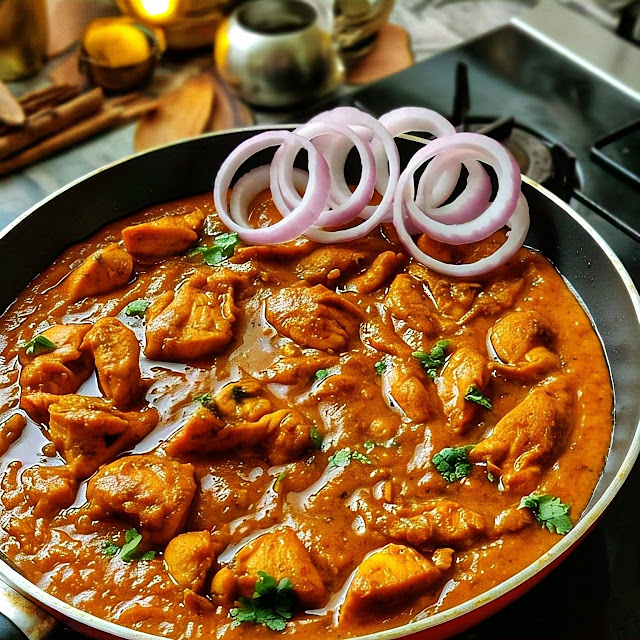
Laal Maas isn’t just spicy mutton curry. It’s history, heat, and heritage—all on one plate. This deep red, bold-flavored dish was once served to Rajput royals after their hunting expeditions. The recipe may be simple, but the flavors? Intense, unforgettable, and unapologetically Rajasthani.
If you’re here looking for an authentic Laal Maas recipe using Mathania chilies, you’ve just hit the jackpot.
🕰️ Preparation Time & Cooking Time
| Task | Time |
|---|---|
| Preparation | 20 minutes |
| Marination (minimum) | 30 minutes |
| Cooking (slow-cooked style) | 90 minutes |
| Total Time | ~2.5 hours |
⏱️ Want a quicker version? Yes, a pressure cooker works—but more on that later.
🛒 Ingredients (Serves 4)
For Marination:
- Mutton (bone-in, preferably goat shoulder) – 750g
- Curd (thick & slightly sour) – 1 cup
- Ginger-garlic paste – 2 tbsp
- Salt – 1 tsp
- Turmeric – ½ tsp
For Laal Masala (Red Gravy Base):
- Mathania dry red chilies (soaked & deseeded) – 10–12
- Garlic cloves – 10–12
- Whole black pepper – 1 tsp
- Cumin seeds – 1 tsp
- Coriander seeds – 1.5 tsp
- Cloves – 4–5
- Green cardamom – 2–3
- Cinnamon stick – 1 inch
For Cooking:
- Ghee – 4 tbsp (or use mustard oil if preferred)
- Bay leaves – 2
- Onions (sliced thin) – 2 medium
- Salt – as needed
- Water – 1.5 to 2 cups (hot)
🌶️ Can’t find Mathania chilies? Use Kashmiri chilies + a pinch of smoked paprika as a backup. The taste will differ, but the color will still impress.
Traditional Rajasthani Laal Maas Recipe with Mathania Chilies
Laal Maas is a fiery and authentic Rajasthani mutton curry made with tender goat meat, traditional Mathania red chilies, garlic, and aromatic whole spices. Slow-cooked to perfection, this royal Rajput dish delivers bold flavors and a deep red color, making it one of Rajasthan’s most iconic recipes.Ingredients
Equipment
Method
Step 1: Marinate the Mutton
Notes
• For authentic flavor, use traditional Mathania chilies from Rajasthan. • Kashmiri dry red chilies with a pinch of smoked paprika can be used as a substitute. • Slow cooking develops deeper flavors, but a pressure cooker can be used for a quicker version. • If the curry becomes too spicy, stir in a spoonful of curd before serving. • Laal Maas pairs beautifully with bajra roti, steamed rice, cucumber raita, and chaas. • Leftovers taste even better the next day after the spices mature. • Store refrigerated in an airtight container for up to 3 days.
🔁 Ingredient Alternatives (if needed)
| Ingredient | Substitute Option |
|---|---|
| Mathania chilies | Kashmiri dry red chilies (less spicy) + smoked paprika |
| Ghee | Mustard oil (for sharper flavor) |
| Goat shoulder | Lamb shank or leg (firm cuts work better) |
| Curd | Greek yogurt or hung curd |
| No garlic version? | Add asafoetida (hing) for aroma |
🥣 Step 1: Marinate the Mutton
In a large bowl, mix the mutton with:
- Curd
- Ginger-garlic paste
- Turmeric
- Salt
Coat the pieces well. Let it sit for at least 30 minutes. For best results, refrigerate overnight.
💡 The curd tenderizes the meat and gives it that subtle tang—don’t skip this step.
🔥 Step 2: Make the Laal Masala Paste
- Soak the Mathania chilies in warm water for 15–20 minutes.
- Drain and deseed if you prefer less heat.
- Grind with garlic cloves and dry spices into a thick, smooth paste.
Add a splash of water if needed.
🌶️ Want that signature red hue? Don’t burn the chilies while grinding. Use just enough water to keep the paste rich.
🍳 Step 3: Start the Cooking Base
- Heat ghee in a heavy-bottomed kadhai or handi.
- Add bay leaves and let them sizzle.
- Add sliced onions and sauté until golden brown.
- Now add the laal masala paste.
- Cook on medium heat, stirring frequently. Let the oil start separating.
This step will take 10–15 minutes—and it’s worth every second.
🍽️ The roasted chili-garlic aroma will fill your kitchen. That’s when you know it’s working.
👇 🧂 🔗 Related Recipes You Might Love
- 👉 Mutton Curry Home Style
- 👉 Kerala Mutton Stew
- 👉 Spicy Andhra Mutton Curry
- 👉 Slow-Cooked Mughlai Mutton Korma
🍖 Step 4: Add the Marinated Mutton
Once your masala is cooked and the oil starts peeking through the edges, it’s time to bring in the star of the show—marinated mutton.
Add the curd-coated pieces to the kadhai. Stir well to combine with the spice base. Keep the flame medium and let it cook for 15–20 minutes uncovered.
The curd will release moisture, and the mutton will start to firm up and take in the flavors.
🔥 Stir gently, scraping the base, to avoid burning the masala. Let it roast, not rush.
🫗 Step 5: Add Water and Cook Low & Slow
Pour in 1.5 to 2 cups of hot water—depending on how thick you want your gravy. Stir, cover the pan, and let it simmer for 60–75 minutes on low flame.
You’ll notice the ghee separating again, the aroma getting stronger, and the meat turning fall-off-the-bone soft. That’s when you know it’s ready.
🕰️ No time to slow cook? Pressure cook for 3–4 whistles on medium, then let it rest for 10–15 minutes.
🧂 Final Adjustments
- Salt check – taste the gravy and adjust seasoning.
- Heat level – too spicy? Add a spoon of curd or a splash of coconut milk (though non-traditional).
- Color too dull? Add a few drops of ghee and sauté for another 2–3 minutes on high.
🫓 What to Serve with Laal Maas?
This dish demands companions that can match its intensity or balance its heat. Here are some legendary pairings:
🫓 Traditional Sides:
- Bajra roti – rustic, earthy, perfect for the desert heat
- Steamed rice – to mellow the spice
- Missi roti – a spicy twist for bold eaters
- Ghee pulao – for a royal Rajasthani feel
🥗 Add-Ons:
- Sliced onions + lemon wedges
- Cucumber raita (cooling side)
- Smoked buttermilk or chaas
🍛 Tip: Don’t pair it with rich biryanis. Keep it simple. Let Laal Maas shine on the plate.
🧠 Final Thoughts
Laal Maas is not just about adding lots of red chilies. It’s about layering heat, understanding the power of garlic, and knowing when to let the mutton speak for itself.
Slow-cooking brings out the depth. Good quality Mathania chilies bring out the color. And patience? That brings soul to the curry.
It’s a dish that warms your fingers, burns your lips slightly, and yet makes you reach for one more bite.
📜 A Bit of History
Laal Maas was born in Rajput hunting camps. Back then, the game meat had a strong smell. So, local cooks developed a bold red chili and garlic-based curry to mask the aroma and elevate the flavor.
The legendary Mathania chilies, grown in a village near Jodhpur, give it that unique deep red color and earthy kick.
Over time, Laal Maas moved from warrior tents to palace kitchens. Today, it’s found in five-star hotels and roadside dhabas—but the soul remains unchanged.
🍽️ One bite, and you’ll know why it’s called “Laal” Maas.